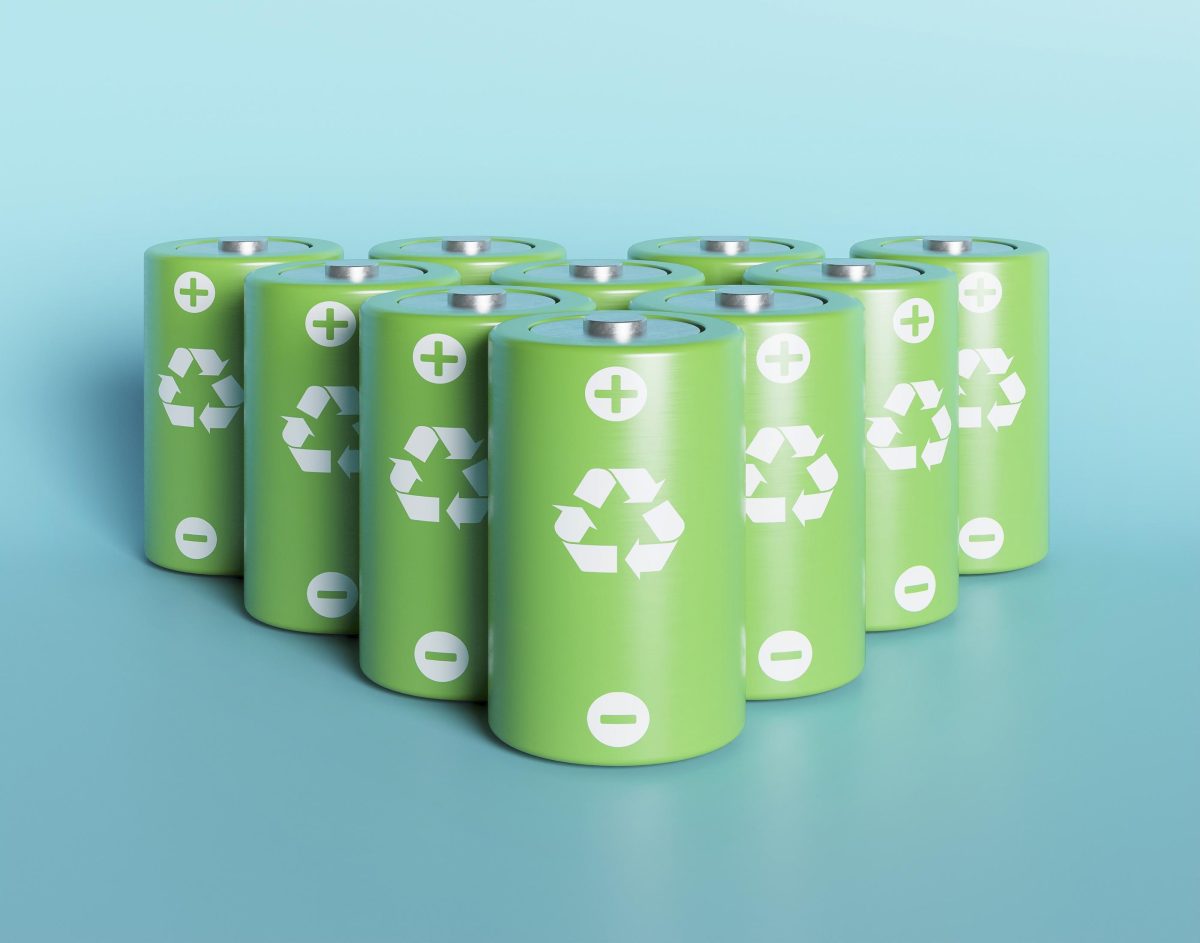


Mercury, cadmium, and lead, new restrictions are coming for the presence of these hazardous substances in portable batteries. Since February 18, 2024, the new “sustainability and safety requirements” for nickel, nickel/cadmium, and mercury portable batteries have come into effect. According to the new European regulation 2023/1542 on batteries and battery waste, the cadmium content must not exceed 0.002%, while the mercury threshold in portable batteries is set at 0.0005%. The annex I of the EU regulation states: “Portable batteries, including those incorporated in appliances, light transport means, or other vehicles, contain no more than 0.002% cadmium (expressed as metallic cadmium) by weight.” And “batteries, including those incorporated in appliances, light transport means, or other vehicles, contain no more than 0.0005% mercury (expressed as metallic mercury) by weight.”
Regarding lead in portable batteries, the new limit comes into effect on August 18, 2024. The indicated threshold is 0.01% lead (expressed as metallic lead) by weight. For zinc-air batteries, the limits apply from August 18, 2024.
The objective of the new EU regulation, as stated in art. 2, is “to contribute to the efficient functioning of the internal market, while preventing and reducing the negative effects of batteries on the environment, as well as protecting the environment and human health by preventing and reducing the negative effects of battery production and waste management.”